
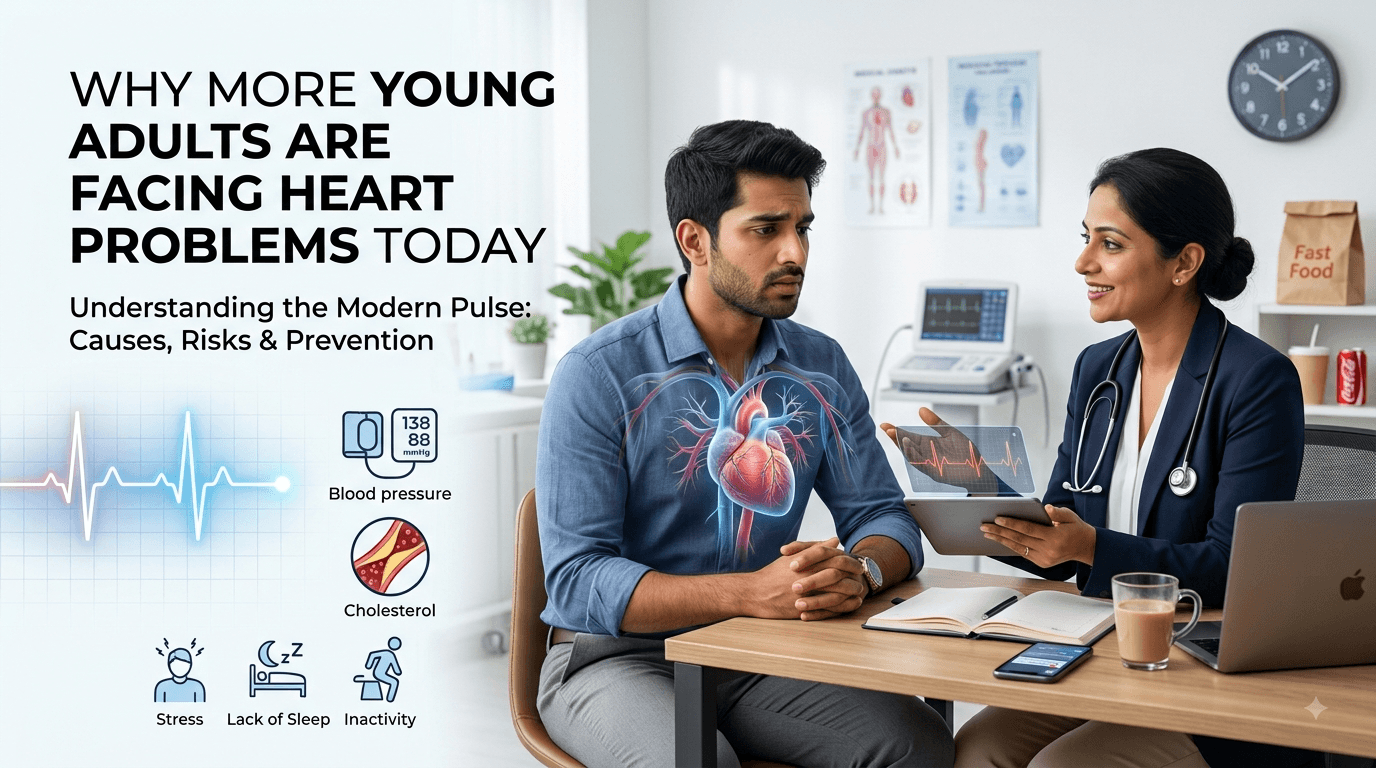
Why More Young Adults Are Facing Heart Problems Today |
Why More Young Adults Are Facing Heart Problems Today
Understanding the Rising Risk of Heart Disease at a Younger Age
By Dr. Nadeem Ahmed
Heart disease is often thought of as a problem that affects people later in life. But that assumption is becoming increasingly risky.
Today, more young adults are being diagnosed with conditions that can affect heart health—including high blood pressure, high cholesterol, obesity, diabetes, and premature coronary artery disease. Cardiovascular disease remains the world’s leading cause of death, and many of its major risk factors are preventable or manageable when identified early.
The important point is not that every young person is destined to develop heart disease. Rather, heart health is being shaped much earlier in life than many people realize. Atherosclerosis, the gradual buildup of plaque inside arteries, can begin developing during young adulthood, long before a person experiences chest pain or a heart attack.
So why are heart problems becoming a concern for younger adults? The answer is rarely one single factor. It is usually a combination of lifestyle, genetics, metabolic health, stress, sleep, tobacco exposure, and environmental factors.
Let’s understand the major reasons—and, more importantly, what young adults can do to protect their heart.
Why Are Heart Problems Affecting Younger People?
Modern life has changed dramatically.
Many young adults spend long hours sitting at desks, working on computers, commuting, or using smartphones. Meals are often irregular, physical activity may be limited, and highly processed foods are readily available.
At the same time, smoking, alcohol consumption, chronic stress, poor sleep, and increasing rates of obesity and metabolic conditions can add to cardiovascular risk.
The World Health Organization identifies unhealthy diet, physical inactivity, tobacco use, harmful alcohol use, obesity, raised blood pressure, raised blood glucose, and abnormal blood lipids among important cardiovascular risk factors.
The good news is that many of these factors can be changed.
1. Sedentary Lifestyle Is Becoming the New Normal
One of the biggest changes in modern life is how much time people spend sitting.
A young professional may sit:
At a desk for several hours
During the daily commute
While watching television
Using a smartphone
Working from home
Studying for long periods
Even if someone exercises occasionally, spending most of the day inactive can still contribute to an unhealthy lifestyle.
Regular physical activity helps maintain healthy body weight, blood pressure, blood sugar, and cholesterol levels. These factors are closely connected to cardiovascular health.
What can you do?
You don’t necessarily need an expensive gym membership.
Start with simple habits:
Walk for 30 minutes most days.
Take short movement breaks during long periods of sitting.
Use stairs when practical.
Walk after meals.
Choose outdoor activities you actually enjoy.
Gradually increase your activity rather than trying to change everything overnight.
Consistency matters more than intensity.
2. Unhealthy Eating Habits Can Affect the Heart Early
Fast food, packaged snacks, sugary beverages, refined carbohydrates, and highly processed foods have become common parts of modern diets.
Eating these foods occasionally isn’t necessarily the problem. The concern arises when they become a regular part of everyday eating.
A diet high in excess salt, unhealthy fats, added sugars, and highly processed foods can contribute to obesity, high blood pressure, abnormal cholesterol, and diabetes—all of which can increase cardiovascular risk.
A heart-friendly plate can include:
Vegetables
Fruits
Whole grains
Pulses and beans
Nuts and seeds
Appropriate sources of protein
Healthy unsaturated fats
Minimally processed foods
You don’t have to follow a complicated diet.
A useful approach is to focus on what you can add to your diet, rather than only thinking about what you need to remove.
Add more vegetables. Add fruit. Choose whole grains more often. Drink more water. Reduce highly processed foods.
Small changes repeated consistently can make a meaningful difference.
3. High Blood Pressure Doesn’t Only Affect Older Adults
Many people assume hypertension is something they need to worry about after 40 or 50.
That’s not true.
Young adults can also develop high blood pressure, particularly when risk factors such as excess weight, physical inactivity, high-salt diets, tobacco use, alcohol consumption, family history, or certain medical conditions are present.
The problem is that hypertension often produces no obvious symptoms. A person can feel completely healthy while elevated blood pressure is gradually affecting their blood vessels and heart.
This is why checking your blood pressure is so important.
A blood pressure measurement is quick and painless, and regular monitoring can help identify a problem before complications develop.
4. Diabetes and Insulin Resistance Can Increase Heart Risk
Type 2 diabetes is increasingly being diagnosed at younger ages.
Persistently elevated blood sugar can damage blood vessels and contribute to cardiovascular disease. Diabetes also frequently occurs alongside other risk factors such as high blood pressure, abnormal cholesterol, and excess body weight.
Insulin resistance can develop for years before diabetes is formally diagnosed.
This is one reason preventive health checks are valuable—even when you feel perfectly healthy.
If you have a family history of diabetes, excess abdominal weight, high blood pressure, or other risk factors, speak with your physician about whether blood sugar testing is appropriate for you.
5. High Cholesterol Can Begin Affecting Arteries Years Before Symptoms
Cholesterol itself is not the enemy. Your body needs cholesterol for important functions.
The concern is having unhealthy levels of certain blood lipids, particularly LDL cholesterol, over time.
Elevated cholesterol can contribute to plaque formation inside arteries. This process, called atherosclerosis, can begin much earlier than the age when cardiovascular symptoms typically appear.
A young person may therefore have no symptoms but already have cardiovascular risk factors that deserve attention.
A simple lipid profile can help your doctor assess your cholesterol levels and overall risk.
6. Smoking and Tobacco Use Remain Major Threats
Smoking is one of the most important preventable cardiovascular risk factors.
Tobacco can damage blood vessels and contribute to processes that increase the risk of heart attack and stroke.
And it isn’t only cigarettes that deserve attention. Tobacco products in different forms can also carry significant health risks.
If you’re young, quitting now is one of the most valuable things you can do for your future health.
Don’t wait until you develop a heart problem to quit.
7. Chronic Stress Is Taking a Toll
Young adults today face pressure from many directions:
Academic expectations
Career competition
Financial concerns
Long working hours
Family responsibilities
Social pressures
Constant digital connectivity
Short-term stress is a normal part of life.
The concern is persistent, unmanaged stress, particularly when it contributes to poor sleep, unhealthy eating, smoking, alcohol use, or physical inactivity.
Stress management should therefore be considered part of preventive healthcare.
Simple practices such as regular exercise, adequate sleep, breathing exercises, hobbies, time with family, and taking breaks from screens can help.
8. Poor Sleep Should Not Be Ignored
Sleep is not simply a period when the body “switches off.”
Good-quality sleep supports cardiovascular, metabolic, and mental health.
Young adults often sacrifice sleep for work, studies, entertainment, social media, or late-night screen use.
Repeatedly getting inadequate or poor-quality sleep can make it harder to maintain healthy weight, activity levels, blood pressure, and other cardiovascular risk factors.
Try to maintain a consistent sleep schedule and create a routine that allows enough time for restorative sleep.
If you regularly snore loudly, wake up gasping, or feel excessively sleepy during the day, discuss these symptoms with a doctor.
9. Genetics Can Matter Too
Not every heart problem is caused by lifestyle.
Family history can significantly influence cardiovascular risk.
If a close family member developed heart disease at a relatively young age, tell your physician. This information can help determine whether you need earlier or more frequent screening.
Genetic factors may also interact with lifestyle and metabolic risk factors.
For South Asian populations, research has highlighted the importance of paying attention to cardiovascular risk factors at younger ages. A 2026 American Heart Association report found that South Asian adults in a U.S. study had a higher prevalence of several atherosclerotic cardiovascular risk factors by age 45 compared with several other racial and ethnic groups studied.
This does not mean that every South Asian person will develop heart disease. It reinforces the importance of individualized risk assessment rather than assuming that age alone provides protection.
10. Air Pollution May Also Play a Role
Heart health is influenced by more than food and exercise.
Air pollution is recognized by the WHO as an environmental cardiovascular risk factor.
For people living in heavily polluted urban environments, reducing unnecessary exposure where practical and following local air-quality guidance can be part of a broader approach to protecting health.
However, pollution should not distract from the major modifiable risk factors such as tobacco use, physical inactivity, unhealthy diet, obesity, high blood pressure, diabetes, and abnormal cholesterol.
Can Young People Have a Heart Attack Without Warning?
A heart attack can occur in a young adult, although the causes and likelihood vary from person to person.
Importantly, being young does not make chest symptoms automatically harmless.
Warning signs can include:
Pressure, squeezing, or discomfort in the chest
Pain spreading to the arm, shoulder, back, neck, or jaw
Shortness of breath
Cold sweating
Nausea or vomiting
Sudden unusual weakness
Lightheadedness
Some people may experience less typical symptoms.
If you experience sudden or severe symptoms that could indicate a heart attack, seek emergency medical care immediately rather than assuming it is acidity, gas, anxiety, or muscle pain.
What About Sudden Cardiac Arrest?
A heart attack and cardiac arrest are not the same thing.
A heart attack occurs when blood flow to part of the heart muscle is blocked.
Cardiac arrest occurs when the heart suddenly stops pumping effectively.
Certain heart rhythm disorders, structural heart conditions, inherited disorders, and other medical problems can cause sudden cardiac arrest, including in younger people.
This is one reason unexplained fainting, recurrent palpitations, chest pain during exercise, or a family history of sudden unexplained death should be discussed with a physician.
When Should a Young Adult Get a Heart Check-Up?
You don’t need to wait until you have chest pain.
A routine health assessment may be particularly worthwhile if you have:
A family history of early heart disease
High blood pressure
Diabetes or elevated blood sugar
High cholesterol
Overweight or obesity
Smoking or tobacco use
A sedentary lifestyle
Persistent stress or poor sleep
Recurrent chest discomfort
Unexplained breathlessness
Frequent palpitations
Fainting or near-fainting
Your physician can decide which tests are appropriate based on your age, symptoms, medical history, family history, and risk factors.
Possible assessments may include blood pressure measurement, blood sugar testing, lipid profile, weight and waist assessment, and other investigations when clinically indicated.
Not everyone needs an ECG, echocardiogram, treadmill test, or advanced cardiac scan simply because they are young. Testing should be individualized rather than done routinely without a medical reason.
7 Simple Ways Young Adults Can Protect Their Heart
You don’t need to completely change your life overnight.
Start with these practical steps:
1. Move Every Day
Aim for regular physical activity and avoid sitting continuously for long periods.
2. Eat More Whole Foods
Make vegetables, fruits, whole grains, pulses, nuts, and healthy protein sources regular parts of your diet.
3. Don’t Smoke
If you smoke or use tobacco, quitting is one of the most important steps you can take.
4. Know Your Numbers
Keep track of blood pressure, cholesterol, blood sugar, and body weight when appropriate.
5. Prioritize Sleep
Treat adequate sleep as part of your healthcare—not a luxury.
6. Manage Stress
Find healthy ways to deal with pressure instead of relying on smoking, alcohol, overeating, or endless screen time.
7. Don’t Ignore Symptoms
Persistent chest discomfort, unexplained breathlessness, fainting, or unusual palpitations deserve medical attention.
Frequently Asked Questions
Can a 20- or 30-year-old have heart disease?
Yes. Cardiovascular disease is less common in younger adults than in older adults, but risk factors and early vascular changes can develop much earlier in life. Atherosclerosis can begin during young adulthood.
Is stress alone enough to cause a heart attack?
Heart disease usually results from multiple interacting factors rather than one cause. Chronic stress can contribute indirectly by affecting sleep, diet, physical activity, blood pressure, smoking, and other behaviors.
Can fit people have heart problems?
Yes. Being physically fit is beneficial, but it does not eliminate every risk. Genetics, blood pressure, cholesterol, diabetes, tobacco exposure, and certain underlying heart conditions can still matter.
Should young adults check their blood pressure?
Yes. Blood pressure screening is simple and painless, and hypertension can occur without symptoms.
Can heart disease be prevented?
Many cardiovascular events can be prevented or their risk substantially reduced by addressing modifiable risk factors such as tobacco use, unhealthy diet, physical inactivity, obesity, high blood pressure, diabetes, and abnormal cholesterol.
Final Thoughts
Heart disease is not simply an “older person’s problem.”
The foundations of cardiovascular health are built over many years, and risk factors can begin accumulating during childhood and young adulthood. Research shows that early signs of atherosclerosis can develop long before a person experiences a heart attack or stroke.
The goal isn’t to make young adults afraid of heart disease. The goal is to make prevention normal.
Know your blood pressure. Understand your family history. Stay physically active. Eat a balanced diet. Avoid tobacco. Sleep well. Manage stress. And don’t dismiss unusual symptoms simply because you are young.
A healthier heart at 25 can mean a healthier heart at 45, 55, and beyond.
Your age may be young—but your heart health deserves attention today.
About Dr. Nadeem Ahmed
Dr. Nadeem Ahmed focuses on preventive healthcare, early diagnosis, and comprehensive management of common health conditions. Regular medical consultations can help identify cardiovascular risk factors such as high blood pressure, diabetes, abnormal cholesterol, and excess weight before they lead to serious complications.
If you have concerns about your heart health or cardiovascular risk factors, consult a qualified physician for an individualized evaluation.
Leave a Reply