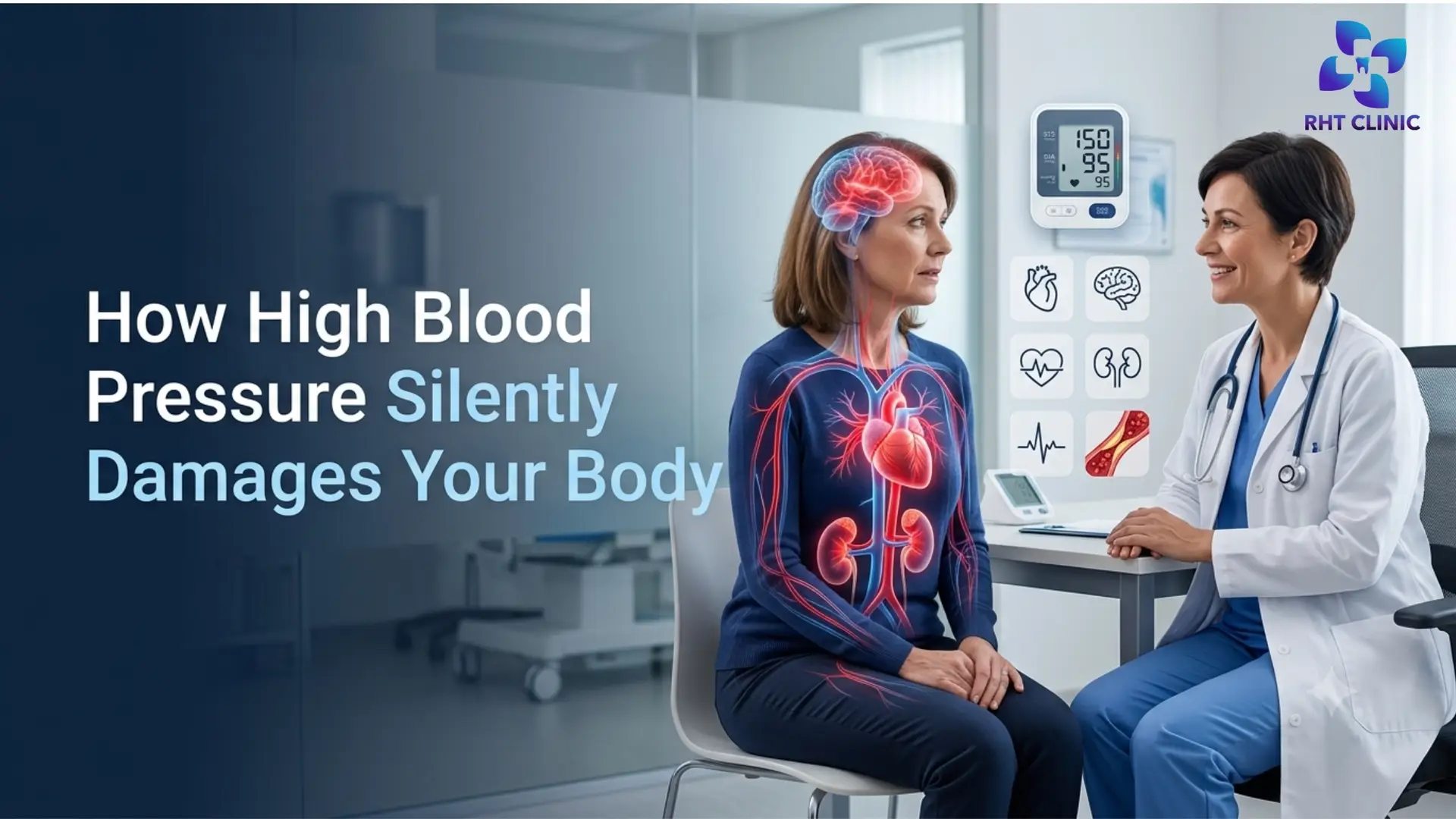
How High Blood Pressure Silently Damages Your Body
How High Blood Pressure Silently Damages Your Body
Understanding the Hidden Dangers of Hypertension
By Dr. Nadeem Ahmed
High blood pressure, also known as hypertension, is often called the “silent killer”—and for good reason. Unlike many other health conditions, high blood pressure usually develops without noticeable symptoms. A person may feel perfectly healthy while their blood vessels, heart, brain, kidneys, and eyes are slowly being damaged.
According to health experts, millions of people around the world are living with high blood pressure without even knowing it. Many discover the condition only after suffering a heart attack, stroke, or kidney disease. The good news is that hypertension can be detected early through regular health check-ups and managed effectively with lifestyle changes, medication, and timely medical care.
In this article, we’ll explore how high blood pressure silently affects different organs of your body, why early detection matters, and what you can do to protect your long-term health.
What Is High Blood Pressure?
Blood pressure is the force of blood pushing against the walls of your arteries as your heart pumps blood throughout your body. It is measured using two numbers:
Systolic Pressure: The pressure when the heart beats.
Diastolic Pressure: The pressure when the heart relaxes between beats.
A healthy blood pressure reading is generally around 120/80 mmHg. When blood pressure consistently remains above the recommended range, it is considered hypertension.
Over time, this extra pressure causes wear and tear on blood vessels, making them less flexible and more prone to damage.
Why Is High Blood Pressure Called the Silent Killer?
One of the biggest dangers of hypertension is that it rarely causes symptoms during its early stages.
Many people continue their daily lives without realizing that their blood pressure is damaging vital organs every single day.
Unlike infections or injuries that produce immediate warning signs, hypertension progresses quietly over months or even years. By the time symptoms appear, significant damage may have already occurred.
This is why regular blood pressure monitoring is essential—even if you feel completely healthy.
Common Risk Factors for High Blood Pressure
Anyone can develop hypertension, but certain factors increase the risk.
1. Family History
If your parents or close relatives have high blood pressure, your chances of developing it are higher.
2. Increasing Age
As people grow older, arteries naturally become less flexible, increasing blood pressure levels.
3. Excess Body Weight
Being overweight forces the heart to work harder, increasing pressure inside the arteries.
4. Lack of Physical Activity
A sedentary lifestyle weakens cardiovascular health and contributes to weight gain.
5. High Salt Intake
Eating too much salt causes the body to retain water, increasing blood pressure.
6. Smoking
Chemicals in tobacco damage blood vessel walls, making hypertension more likely.
7. Excessive Alcohol Consumption
Heavy drinking can gradually raise blood pressure and weaken the heart.
8. Stress
Long-term emotional stress may contribute to unhealthy habits that increase blood pressure.
9. Diabetes
People living with diabetes often have a higher risk of developing hypertension due to blood vessel damage.
10. Poor Sleep
Sleep disorders, especially sleep apnea, are increasingly recognized as major contributors to high blood pressure.
Early Signs You Should Never Ignore
Although hypertension often has no symptoms, some people may occasionally experience:
Frequent headaches
Dizziness
Shortness of breath
Chest discomfort
Blurred vision
Nosebleeds (less common)
Fatigue
Heart palpitations
These symptoms do not always mean high blood pressure, but they should never be ignored. A simple blood pressure check can provide valuable information about your health.
How High Blood Pressure Damages Your Heart
Your heart works continuously throughout your life, pumping blood to every organ. High blood pressure forces the heart to pump against greater resistance, making it work much harder than normal.
Over time, this extra workload can lead to serious complications.
1. Thickening of the Heart Muscle
To cope with increased pressure, the heart muscle becomes thicker. While this may initially seem helpful, a thickened heart becomes less efficient at pumping blood.
Eventually, the heart requires more oxygen while delivering less blood to the rest of the body.
2. Coronary Artery Disease
High blood pressure damages the inner lining of arteries, allowing cholesterol to build up more easily.
This process narrows the arteries supplying the heart, reducing blood flow and increasing the risk of chest pain (angina).
If a blockage completely stops blood flow, it can cause a heart attack.
3. Heart Failure
Over time, constant strain weakens the heart muscle.
Instead of pumping efficiently, the heart gradually loses its ability to meet the body’s needs.
People with heart failure often experience:
Breathlessness
Swelling in the legs
Persistent tiredness
Difficulty performing daily activities
Heart failure is one of the most common long-term complications of untreated hypertension.
How High Blood Pressure Affects Your Brain
The brain depends on a steady supply of oxygen-rich blood to function properly.
High blood pressure can interfere with this delicate circulation in several ways.
Stroke
One of the most serious complications of hypertension is stroke.
Blood vessels inside the brain may become blocked or rupture because of prolonged pressure.
A stroke can result in:
Paralysis
Difficulty speaking
Memory loss
Permanent disability
Death in severe cases
Many strokes are preventable through proper blood pressure control.
Memory Problems
Research has shown that uncontrolled hypertension increases the risk of cognitive decline.
Reduced blood flow to the brain may gradually affect:
Concentration
Learning ability
Decision-making
Memory
Older adults with poorly controlled blood pressure are more likely to develop vascular dementia.
Mini-Strokes
Some people experience temporary interruptions in blood supply to the brain called transient ischemic attacks (TIAs).
Although symptoms disappear within minutes or hours, TIAs are often warning signs that a major stroke could occur in the future.
Immediate medical evaluation is essential.
How High Blood Pressure Damages Your Kidneys
Your kidneys contain millions of tiny blood vessels that filter waste products from the blood.
Because these vessels are extremely delicate, they are highly vulnerable to high blood pressure.
Over time, hypertension can:
Narrow kidney arteries
Reduce blood flow
Damage filtering units
Cause protein leakage into urine
Reduce kidney function
If left untreated, chronic kidney disease may develop.
In advanced stages, some patients eventually require dialysis or a kidney transplant.
People with both diabetes and hypertension are at an even greater risk of kidney damage, making regular monitoring especially important.
Why Regular Blood Pressure Checks Matter
One of the simplest yet most effective ways to protect your health is by checking your blood pressure regularly.
Since hypertension usually develops without symptoms, routine monitoring helps detect problems before serious complications occur.
Adults should have their blood pressure checked during regular medical visits, especially if they have risk factors such as obesity, diabetes, smoking, or a family history of hypertension.
Early diagnosis allows treatment to begin before permanent damage occurs.
How High Blood Pressure Silently Damages Your Body
How High Blood Pressure Affects Your Eyes
Your eyes contain tiny, delicate blood vessels that are highly sensitive to changes in blood pressure. When blood pressure remains high for months or years, these blood vessels can become damaged, affecting your vision.
Hypertensive Retinopathy
Hypertensive retinopathy is a condition caused by long-term high blood pressure that damages the retina—the light-sensitive tissue at the back of the eye. In the early stages, there may be no symptoms. However, as the condition progresses, people may experience:
Blurred vision
Double vision
Reduced vision
Eye discomfort
In severe cases, permanent vision loss
Regular eye examinations are especially important for people with hypertension, diabetes, or both.
Damage to Blood Vessels
Blood vessels act like highways, carrying oxygen and nutrients to every organ in the body. High blood pressure gradually weakens and damages these vessels.
Over time, arteries become:
Narrower
Less flexible
Thicker
More likely to develop cholesterol deposits
This process, known as atherosclerosis, reduces blood flow and increases the risk of:
Heart attack
Stroke
Peripheral artery disease
Kidney disease
Healthy blood vessels are essential for healthy organs. Protecting them begins with controlling your blood pressure.
Can High Blood Pressure Be Cured?
High blood pressure is usually a lifelong condition, but it can be effectively controlled. Many people live healthy, active lives by combining medication with positive lifestyle changes.
For some individuals, especially those diagnosed early, losing weight, exercising regularly, reducing salt intake, and managing stress may lower blood pressure enough to reduce or even eliminate the need for medication under a doctor’s supervision.
The key is consistency. Stopping medication or making changes without medical advice can lead to dangerous spikes in blood pressure.
How Is High Blood Pressure Diagnosed?
Diagnosing hypertension is simple, painless, and takes only a few minutes.
Your doctor will measure your blood pressure using a blood pressure monitor. Because blood pressure naturally changes throughout the day, more than one reading may be needed to confirm the diagnosis.
Additional investigations may include:
Blood tests
Urine examination
Electrocardiogram (ECG)
Echocardiogram (if needed)
Kidney function tests
Cholesterol profile
Blood sugar tests
These tests help determine whether high blood pressure has already affected other organs.
Treatment Options
Treatment depends on your blood pressure readings, age, overall health, and any existing medical conditions.
Lifestyle Changes
For many people with mild hypertension, healthy lifestyle habits are the first step.
These include:
Maintaining a healthy weight
Eating more fruits and vegetables
Limiting salt intake
Exercising regularly
Avoiding smoking
Reducing alcohol consumption
Managing stress
Sleeping 7–8 hours every night
These changes not only lower blood pressure but also improve overall health.
Medications
If lifestyle changes alone are not enough, your doctor may prescribe blood pressure medication.
Common types include:
ACE inhibitors
ARBs (Angiotensin Receptor Blockers)
Calcium channel blockers
Diuretics
Beta-blockers
Each medication works differently, and your doctor will choose the one most suitable for your condition.
It is important to:
Take medicines exactly as prescribed.
Never skip doses.
Do not stop treatment without consulting your doctor.
Attend regular follow-up appointments.
Foods That Help Control Blood Pressure
A balanced diet plays a major role in keeping blood pressure under control.
Include more of these foods:
Fresh fruits
Green leafy vegetables
Whole grains
Oats
Beans and lentils
Low-fat dairy products
Nuts and seeds
Fish rich in omega-3 fatty acids
Bananas
Tomatoes
Oranges
These foods provide potassium, fibre, magnesium, and other nutrients that support heart health.
Foods to Limit
Certain foods can increase blood pressure if eaten frequently.
Try to reduce:
Packaged snacks
Chips
Instant noodles
Pickles
Processed meats
Sugary drinks
Fried foods
Fast food
Bakery products high in trans fats
Excess salt
Reading food labels can help you identify hidden sodium in processed foods.
The Importance of Regular Exercise
Exercise is one of the most effective natural ways to lower blood pressure.
Aim for at least 150 minutes of moderate physical activity each week, such as:
Brisk walking
Cycling
Swimming
Jogging
Dancing
Yoga
Even simple activities like taking the stairs or walking after meals can make a positive difference.
Before starting a new exercise routine, especially if you have heart disease or other medical conditions, consult your doctor.
Stress and Blood Pressure
While stress does not always directly cause high blood pressure, chronic stress often leads to unhealthy habits such as overeating, smoking, excessive alcohol use, or poor sleep, all of which can raise blood pressure.
Healthy ways to manage stress include:
Deep breathing exercises
Meditation
Spending time with family
Reading
Gardening
Listening to music
Maintaining hobbies
Getting adequate sleep
Taking care of your mental well-being also supports your physical health.
Tips to Prevent High Blood Pressure
Although some risk factors such as age and family history cannot be changed, many cases of hypertension can be prevented through healthy lifestyle choices.
Here are some practical tips:
Check your blood pressure regularly.
Maintain a healthy body weight.
Exercise most days of the week.
Reduce salt intake.
Eat fresh, home-cooked meals.
Avoid tobacco in all forms.
Limit alcohol.
Control diabetes and cholesterol.
Get enough sleep every night.
Follow your doctor’s advice consistently.
Small daily habits can significantly reduce your long-term risk.
When Should You See a Doctor?
Consult a physician if you:
Have repeated blood pressure readings above the normal range.
Experience frequent headaches or dizziness.
Notice blurred vision.
Have chest pain or shortness of breath.
Have diabetes or kidney disease.
Have a family history of hypertension.
Are over 40 and have never had a blood pressure check.
Early consultation can help prevent complications and ensure timely treatment.
Frequently Asked Questions
Can young adults develop high blood pressure?
Yes. Sedentary lifestyles, obesity, stress, unhealthy eating habits, smoking, and certain medical conditions have led to an increase in hypertension among younger adults.
Is high blood pressure always accompanied by symptoms?
No. Most people with hypertension have no symptoms, which is why regular screening is essential.
Can reducing salt alone cure high blood pressure?
Reducing salt helps lower blood pressure, but it is usually only one part of treatment. Many people also need exercise, weight management, stress control, and medication.
Is it safe to stop blood pressure medication once my readings improve?
No. Blood pressure often improves because the medication is working. Never stop or change your medication without consulting your doctor.
How often should blood pressure be checked?
Adults should have their blood pressure checked during routine medical visits. People with hypertension or risk factors may need more frequent monitoring as advised by their physician.
Final Thoughts
High blood pressure often develops quietly, but its effects on the body can be life-changing. Left untreated, it can damage the heart, brain, kidneys, eyes, and blood vessels, increasing the risk of heart attack, stroke, kidney failure, and vision loss.
The encouraging news is that hypertension is one of the most manageable chronic conditions when detected early. Regular blood pressure monitoring, healthy lifestyle choices, and timely medical care can significantly reduce the risk of complications.
If you have risk factors such as diabetes, obesity, a family history of hypertension, or persistent stress, don’t wait for symptoms to appear. A simple blood pressure check today could protect your health for years to come.
About Dr. Nadeem Ahmed
Dr. Nadeem Ahmed is dedicated to providing comprehensive primary healthcare with a strong focus on preventive medicine, early diagnosis, and long-term disease management. Through patient-centered care and evidence-based treatment, he helps individuals and families achieve better health and prevent complications from conditions such as hypertension, diabetes, and other lifestyle-related diseases.
Your health is your greatest asset. Regular check-ups and timely medical advice can make all the difference in living a longer, healthier life.
Leave a Reply