
Teeth Sensitivity: Causes, Best Treatment & Prevention Tips
Teeth Sensitivity: Causes, Best Treatments & How to Prevent It
By Dr. Faheem Ahmed
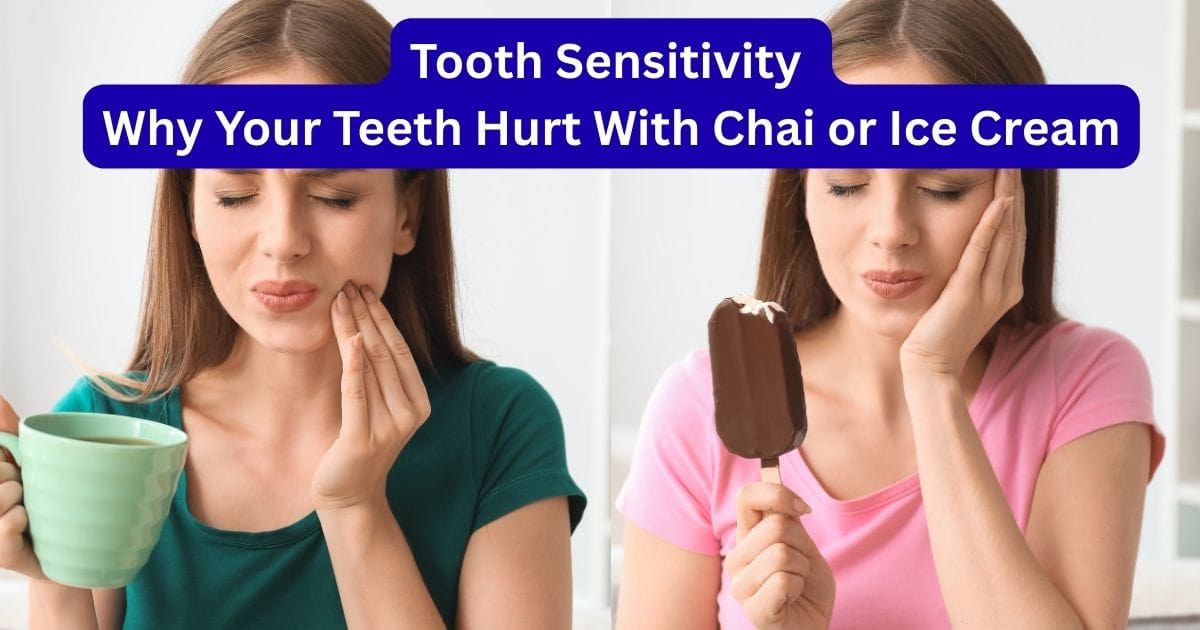
Have you ever felt a sudden sharp pain in your teeth while drinking cold water or having hot tea? If yes, you are not alone. Teeth sensitivity is one of the most common dental problems people face today.
Many patients visit dental clinics thinking it’s a serious issue like a cavity or infection. Sometimes it is, but often, sensitivity is caused by small daily habits that slowly weaken your enamel or irritate your gums.
In this blog, Dr. Faheem Ahmed explains the main causes of teeth sensitivity, the best treatments, and the most effective prevention tips to help you enjoy food and drinks without discomfort.
What is Teeth Sensitivity?
Teeth sensitivity (also called dentin hypersensitivity) happens when the protective outer layer of your teeth, known as enamel, becomes thin or damaged.
Once enamel is worn out, the inner layer called dentin gets exposed. Dentin contains tiny tubes that connect to nerves inside the tooth. When cold, hot, sweet, or acidic food touches these areas, it triggers pain.
This pain can feel like:
A sudden sharp sensation
Mild discomfort
A strong electric-like pain
Pain while brushing or flossing
Common Symptoms of Sensitive Teeth
If you have sensitive teeth, you may experience pain when:
Drinking cold water or soft drinks
Eating ice cream
Having hot coffee or tea
Eating sweet foods
Consuming citrus fruits or spicy foods
Brushing or flossing
Breathing cold air in winter
If sensitivity lasts for weeks, it should not be ignored.
Top Causes of Teeth Sensitivity
Let’s look at the most common reasons why sensitivity occurs.
1. Worn-Out Tooth Enamel
Tooth enamel is the hardest substance in the body, but it can still wear down over time.
This happens due to:
Excessive consumption of acidic foods
Frequent soft drinks
Poor brushing technique
Natural aging
Once enamel becomes thin, the tooth becomes more sensitive.
2. Brushing Too Hard
Many people think brushing harder will clean better. In reality, it damages your enamel and pushes gums away from teeth.
Hard brushing can cause:
Gum recession
Enamel erosion
Tooth sensitivity
Using a hard-bristle toothbrush can make it worse.
3. Gum Recession
Gum recession means your gums pull back, exposing the tooth roots. Tooth roots do not have enamel protection, which makes them extremely sensitive.
Gum recession is often caused by:
Gum disease
Aggressive brushing
Poor oral hygiene
Smoking or tobacco use
4. Tooth Decay or Cavities
Cavities create holes in the tooth surface. These holes allow food, cold air, and liquids to reach the nerve area, causing sensitivity.
If sensitivity is on one tooth only, a cavity is a strong possibility.
5. Cracked or Chipped Teeth
A cracked tooth can expose dentin or even the nerve area, causing pain while chewing or drinking.
Common reasons for cracks include:
Biting hard food
Teeth grinding
Trauma or injury
Old fillings
6. Teeth Grinding (Bruxism)
Grinding teeth at night is a major hidden cause of enamel damage. Many people grind without realizing it.
Grinding leads to:
Enamel wear
Jaw pain
Headaches
Tooth sensitivity
If you wake up with jaw tightness, bruxism could be the reason.
7. Recent Dental Procedures
It is normal to feel temporary sensitivity after:
Teeth whitening
Scaling and cleaning
Dental fillings
Root canal treatment
Crown placement
Usually, this sensitivity improves within a few days. If it continues, consult your dentist.
8. Teeth Whitening Products
Whitening toothpaste and bleaching treatments can cause sensitivity, especially if used frequently.
Overuse can irritate enamel and dentin layers, making teeth more reactive.
Best Treatments for Teeth Sensitivity
The right treatment depends on the cause. Here are the most effective dental solutions recommended by Dr. Faheem Ahmed.
1. Use Desensitizing Toothpaste
Desensitizing toothpaste contains special ingredients that block nerve signals and reduce sensitivity.
For best results:
Use it twice daily
Apply a small amount directly on sensitive areas
Continue for at least 2–4 weeks
This is one of the simplest and most effective home treatments.
2. Switch to a Soft Toothbrush
A soft-bristle toothbrush is gentle on gums and enamel.
Also, brush using:
Light pressure
Circular motion
Proper technique
This small change can make a big difference in reducing sensitivity.
3. Fluoride Treatment
Fluoride strengthens enamel and reduces pain. Dentists may apply fluoride gel or varnish directly on sensitive areas.
This treatment is especially useful for patients with early enamel damage.
4. Dental Filling for Cavities
If sensitivity is caused by tooth decay, the best solution is a tooth filling.
A filling seals the damaged part and prevents further pain and infection.
5. Gum Treatment for Recession
If gum recession is the cause, treatment may include:
Deep cleaning (scaling and root planing)
Gum disease treatment
Gum graft surgery (in severe cases)
Treating gum issues is essential for long-term relief.
6. Dental Crown or Veneer
If enamel is severely worn or the tooth is cracked, a dentist may recommend:
Onlay restoration
These treatments protect the tooth surface and stop sensitivity permanently.
7. Root Canal Treatment (For Severe Sensitivity)
If the sensitivity is intense and persistent, it may indicate nerve infection.
In such cases, root canal treatment becomes necessary. It removes infected pulp and saves the tooth.
8. Night Guard for Teeth Grinding
If bruxism is causing enamel wear, a custom night guard can protect teeth while you sleep.
It reduces:
Sensitivity
Jaw pain
Tooth damage
How to Prevent Teeth Sensitivity Naturally
Prevention is always better than treatment. Here are simple but powerful tips to protect your teeth.
1. Avoid Acidic Foods and Drinks
Limit foods like:
Lemon
Orange juice
Soft drinks
Vinegar-based foods
Energy drinks
If you consume them, rinse your mouth with water afterward.
2. Don’t Brush Immediately After Eating
After eating acidic food, your enamel becomes soft for some time. Brushing immediately can damage it.
Wait at least 30 minutes before brushing.
3. Use Proper Brushing Technique
Brush gently using:
Soft brush
Circular motion
2 minutes brushing time
Do not use force. Clean teeth gently, not aggressively.
4. Avoid Excessive Whitening
Teeth whitening should always be done under dentist supervision. Avoid using whitening strips or products repeatedly without guidance.
5. Maintain Regular Dental Checkups
Many people ignore sensitivity until it becomes severe.
A regular dental checkup every 6 months helps detect:
Early cavities
Gum problems
Enamel erosion
Cracks in teeth
Early treatment prevents bigger dental expenses later.
Home Remedies for Teeth Sensitivity (Safe Options)
While home remedies cannot replace dental treatment, they can provide temporary comfort.
Some safe tips include:
Rinse with lukewarm salt water
Use sensitivity toothpaste regularly
Avoid ice and extremely hot foods
Drink water after acidic meals
 Avoid applying lemon, vinegar, or baking soda directly on teeth, as these can worsen enamel damage.
When Should You Visit a Dentist for Tooth Sensitivity?
You should consult Dr. Faheem Ahmed if:
Sensitivity lasts more than 7–10 days
Pain is sharp and sudden
One tooth is more sensitive than others
You feel pain while chewing
You notice swelling or gum bleeding
Sensitivity increases day by day
Ignoring these signs can lead to infections or tooth loss.
Frequently Asked Questions (FAQs)
Is teeth sensitivity a serious problem?
Sometimes it is minor, but it can also be a sign of cavities, gum disease, or tooth cracks. Persistent sensitivity should be checked by a dentist.
Can teeth sensitivity be cured permanently?
Yes, depending on the cause. Treatments like fluoride application, fillings, crowns, or gum treatment can provide long-term relief.
Does sensitivity mean I need a root canal?
Not always. Root canal is required only when the nerve is infected or damaged. Most cases can be treated with simpler solutions.
Which toothpaste is best for sensitive teeth?
Any dentist-approved desensitizing toothpaste with fluoride is helpful. Consistent use is important for results.
Final Words from Dr. Faheem Ahmed
Teeth sensitivity may seem like a small issue, but it can affect your daily life and eating habits. The good news is that sensitivity is treatable and preventable if addressed on time.
If you are experiencing tooth sensitivity frequently, do not ignore it. A proper dental checkup can identify the exact cause and prevent bigger problems in the future.
Book Your Dental Consultation Today
If you are suffering from sensitive teeth, tooth pain, or gum issues, consult Dr. Faheem Ahmed for a complete dental evaluation and personalized treatment plan.
 Visit our clinic – T-540 shop no. 3, near Krishna Mandir Khirki Extension Malviya Nagar, New delhi – 110017
 Call now to book an appointment – +919999555363
Leave a Reply