Energy Drinks and Hepatitis B: Hidden Liver Risks
Energy drinks have become a daily habit for many people. Students drink them during exams, professionals rely on them to fight fatigue, and gym-goers often use them to boost performance.
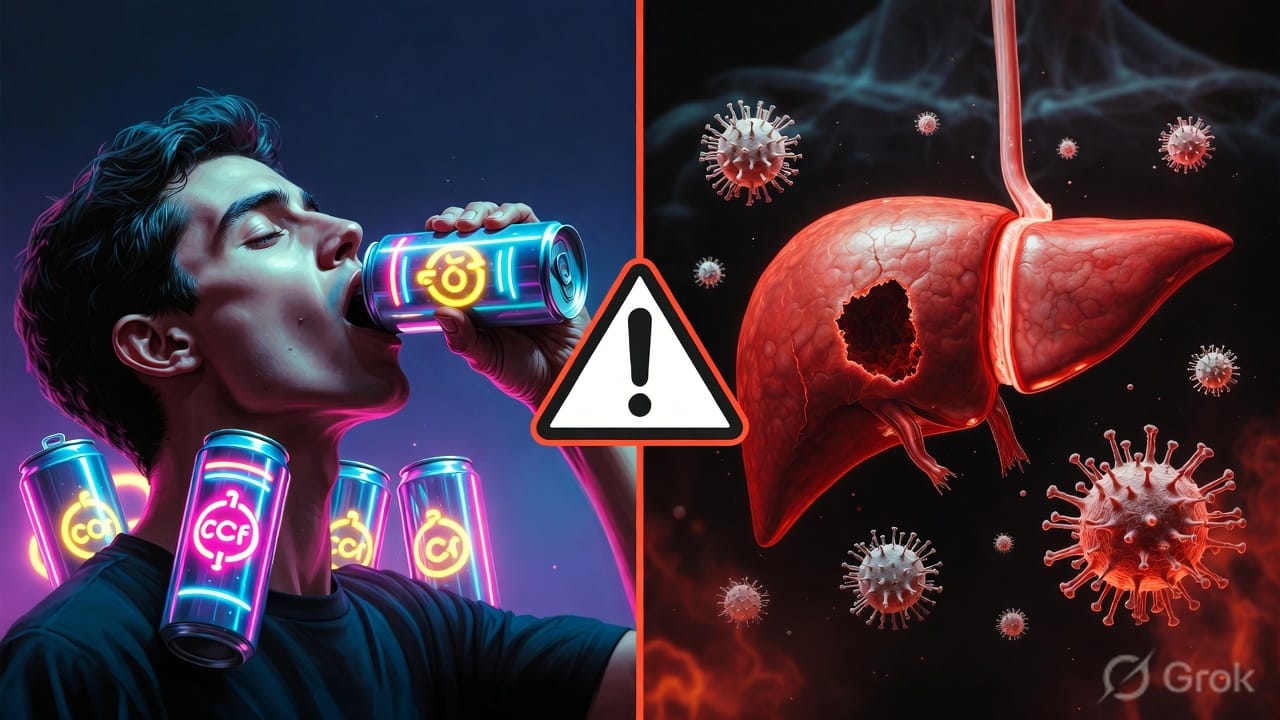
But an important health question is now being raised Can energy drinks worsen liver diseases like Hepatitis B?
A recent incident in Palwal, Haryana, where several patients suffering from Hepatitis B reportedly died, has drawn attention to the possible risks of excessive energy drink consumption combined with improper medical treatment.
Dr. Nadeem Ahmed at RHT Clinic emphasize that individuals with liver conditions must be extremely careful about what they consume, as the liver is responsible for detoxifying many substances in the body.
What is Hepatitis B?
Hepatitis B is a viral infection that affects the liver and can lead to both acute and chronic liver disease.
The virus spreads through:
Contact with infected blood
Unprotected sexual contact
Sharing contaminated needles
Transmission from mother to baby during childbirth
If not properly treated, Hepatitis B can cause serious complications such as:
Liver cirrhosis
Liver failure
Liver cancer
Since the liver plays a vital role in filtering toxins and processing nutrients, any substance that stresses the liver can worsen the condition.
Why Energy Drinks May Harm the Liver
Most commercial energy drinks contain high levels of caffeine, sugar, and artificial stimulants.
For healthy individuals, occasional consumption may not cause harm, but regular or excessive intake can put significant pressure on the liver — especially for patients already suffering from liver infections like Hepatitis B.
1. High Caffeine Content
Energy drinks often contain very high amounts of caffeine, which can increase metabolic stress on the liver.
For people with liver disease, this added stress may worsen inflammation and slow recovery.
2. Excess Sugar
Many energy drinks contain large quantities of sugar, which may contribute to:
Fatty liver disease
Metabolic disorders
Increased liver inflammation
Excess sugar intake can further damage an already weakened liver.
3. High Vitamin Doses
Some energy drinks contain high doses of vitamins such as niacin (Vitamin B3).
While vitamins are beneficial in proper amounts, excessive intake of niacin has been linked to liver toxicity and liver injury.
For Hepatitis B patients, these ingredients may increase the risk of complications.
The Palwal Incident: A Wake-Up Call
Health officials recently reported a tragic case in a village in Palwal, Haryana, where several individuals suffering from Hepatitis B became critically ill.
Reports suggested that excessive consumption of energy drinks combined with treatment from unqualified practitioners contributed to worsening health conditions.
Out of 13 affected individuals, eight tragically lost their lives.
This incident highlights two serious health risks:
Uncontrolled consumption of energy drinks
Medical treatment from unqualified practitioners
Both factors can have severe consequences for people suffering from liver diseases.
Warning Signs of Liver Damage
People with Hepatitis B should watch for symptoms that may indicate worsening liver damage.
Common warning signs include:
Yellowing of the skin or eyes (jaundice)
Dark-colored urine
Persistent fatigue
Nausea and vomiting
Abdominal pain
Loss of appetite
If these symptoms appear, immediate medical consultation is essential.
Dr. Nadeem Ahmed at RHT Clinic recommend regular liver health checkups for early detection and proper treatment.
Should Hepatitis B Patients Avoid Energy Drinks?
Medical experts generally recommend that patients with liver diseases limit or completely avoid energy drinks.
Instead, healthier alternatives include:
Coconut water
Lemon water
Fresh fruit juices
Proper hydration
A balanced, nutritious diet
These options help maintain natural energy levels without placing additional stress on the liver.
Importance of Professional Medical Care
One of the major concerns highlighted by the Palwal case is the danger of treatment from unqualified practitioners.
Liver diseases require:
Accurate diagnosis
Blood tests
Liver function monitoring
Evidence-based medical treatment
At RHT Clinic, experienced physician Dr. Nadeem Ahmed provide:
Hepatitis screening
Liver health checkups
Preventive healthcare guidance
Personalized treatment plans
Early medical intervention can prevent serious complications and save lives.
How to Protect Your Liver
Protecting liver health is essential for long-term wellbeing.
Follow these important steps:
- Get vaccinated for Hepatitis B
- Avoid excessive consumption of energy drinks
- Never take injections from unqualified practitioners
- Maintain a healthy diet and lifestyle
- Schedule regular medical checkups
Small preventive steps can make a big difference in protecting liver health.
Conclusion
Energy drinks may provide temporary energy, but excessive consumption can be harmful — particularly for people with liver diseases like Hepatitis B.
The recent Palwal incident serves as a strong reminder that awareness, moderation, and proper medical care are essential for protecting liver health.
If you are experiencing symptoms of liver disease or wish to get tested for Hepatitis B, consult experienced doctors at RHT Clinic.
Early diagnosis and professional treatment can make a life-saving difference.
FAQ
Is it safe to drink energy drinks if you have Hepatitis B?
People with Hepatitis B should limit or avoid energy drinks because high caffeine and sugar levels may increase stress on the liver.
Can energy drinks damage the liver?
Yes, excessive consumption of energy drinks has been linked to liver stress and in some cases liver injury due to high caffeine, sugar, and vitamin levels.
What are the early symptoms of Hepatitis B?
Common symptoms include fatigue, jaundice, nausea, abdominal pain, dark urine, and loss of appetite.
How can Hepatitis B be prevented?
Hepatitis B can be prevented through vaccination, safe medical practices, avoiding contaminated needles, and regular health checkups.
Leave a Reply