
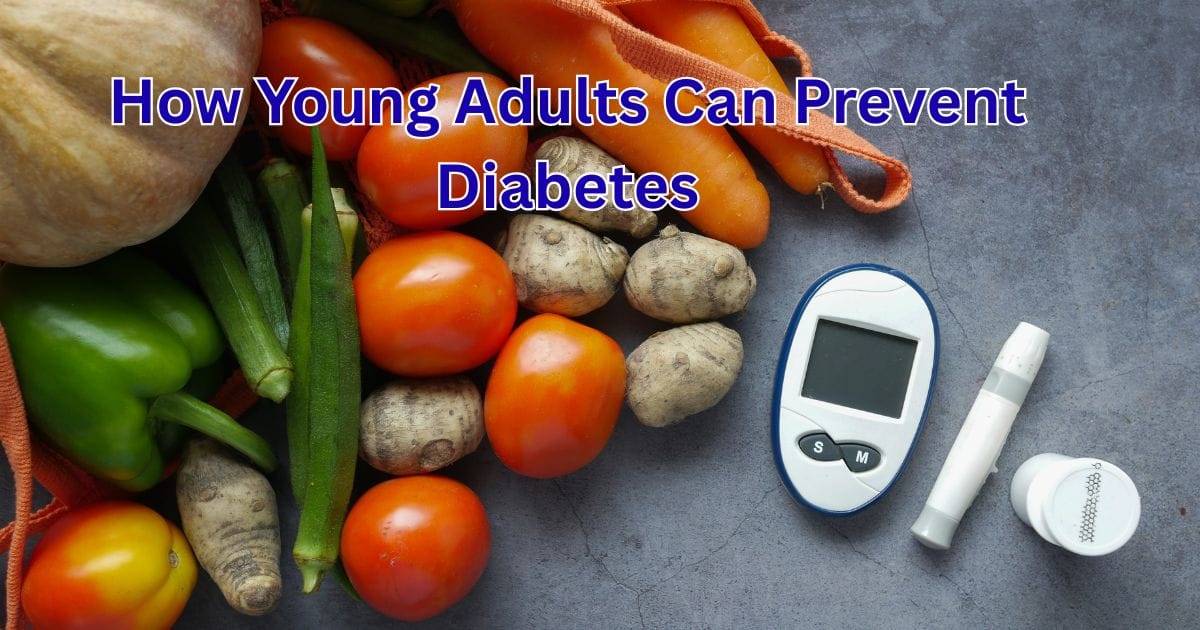
How Young Adults Can Prevent Diabetes
Expert Guidance by Dr. Nadeem Ahmed
For many people, diabetes feels like a “middle-age problem.” But today, prediabetes and Type 2 diabetes are rising rapidly in young adults—especially those in their 20s and 30s. Long study hours, desk jobs, lack of activity, stress eating, sugary drinks, and irregular sleep are silently pushing young people toward high blood sugar without even realizing it.
The good news: Prediabetes is fully reversible, and diabetes can be delayed or prevented with the right lifestyle habits. Below, Dr. Nadeem Ahmed breaks down the early signs, tests to get done, and simple everyday habits to keep your sugar levels under control.
Why Are Young Adults Getting Diabetes Earlier?
Diabetes is no longer linked only to genetics or age. The biggest drivers today include:
Sitting for long hours without movement
High intake of processed foods, soft drinks, and sugary snacks
Late-night eating and poor sleep routine
Stress that increases cortisol and spikes blood sugar
Lack of exercise or walking
Increasing obesity, especially belly fat
These factors cause insulin resistance, which leads to prediabetes and eventually Type 2 diabetes.
Early Warning Signs of High Blood Sugar in Young Adults
Most young people don’t notice symptoms until sugar levels rise significantly, but early signs can include:
Feeling tired after meals
Excessive hunger or cravings
Sudden weight gain, especially around the stomach
Frequent urination
Feeling thirsty all the time
Slow healing of cuts or acne marks
Increased hair fall
Brain fog or difficulty focusing
Even if symptoms are mild, they should not be ignored.
Important Tests Every Young Adult Should Consider
Dr. Nadeem Ahmed recommends basic screening tests if you have a family history of diabetes or lifestyle risk factors. These include:
Fasting Blood Sugar (FBS)
Postprandial Blood Sugar (PPBS)
HbA1c (3-month average of blood sugar)
Lipid Profile
Insulin Fasting (optional but useful for insulin resistance)
A yearly checkup is important, even if you feel healthy.
Daily Habits That Help Control or Prevent Rising Sugar Levels
1. Reduce Sugar and Refined Carbohydrates
Cut down on white bread, pastries, biscuits, sweetened coffee, cold drinks, and packaged snacks. These spike blood sugar quickly.
2. Start Walking 8,000–10,000 Steps a Day
Physical activity improves insulin sensitivity and helps burn fat. Even splitting it into 10-minute walks after meals helps significantly.
3. Build a Balanced Plate
Half plate vegetables, one-quarter lean protein, and one-quarter whole grains. Simple changes like replacing white rice with brown rice or roti with multigrain can help.
4. Improve Sleep Routine
Sleep deprivation increases insulin resistance. Aim for 7–8 hours daily.
5. Manage Stress Daily
Simple techniques like deep breathing, yoga, journaling, or a 10-minute walk help stabilize cortisol levels.
6. Stay Hydrated
Dehydration can increase sugar concentration in the blood. Aim for 8–10 glasses of water a day.
7. Maintain a Healthy Weight
Even a 5–7 percent weight reduction can reverse prediabetes.
What to Eat for Better Sugar Control
Best Foods
Leafy greens, cucumbers, broccoli
Whole grains like oats, dalia, brown rice
Lentils, eggs, paneer, chicken
Nuts and seeds
Low-GI fruits like apples, pears, berries, oranges
Foods to Limit
White bread
Fast food
Sweet beverages
Processed snacks
Desserts and bakery items
Can Prediabetes Be Reversed?
Yes. With consistent daily habits, prediabetes can be reversed within months. Early awareness is the strongest tool.
Dr. Nadeem Ahmed emphasizes that young adults must not delay screening or ignore lifestyle symptoms. Prevention is easier than treatment, and your daily choices directly shape your long-term health.
Leave a Reply