
Debunking Baby Teeth Myths: Pediatric Dental Care Tips
Because strong adult teeth begin with healthy baby teeth.
Picture this: your little one flashes that first adorable toothy grin — and your heart melts.
But then someone says, “They’re just baby teeth; they’ll fall out anyway.”
That single statement has caused more harm to children’s oral health than sugar ever could.
At RHT Clinic, we hear this all the time — and it’s time to set the record straight.
Your child’s milk teeth are not temporary placeholders — they are the building blocks of lifelong oral health. Let’s clear the air and learn how to protect those precious little smiles.
Myth #1: “Baby Teeth Don’t Matter – They’ll Fall Out Anyway”
Yes, baby teeth will eventually make way for permanent ones — but that doesn’t make them any less important.
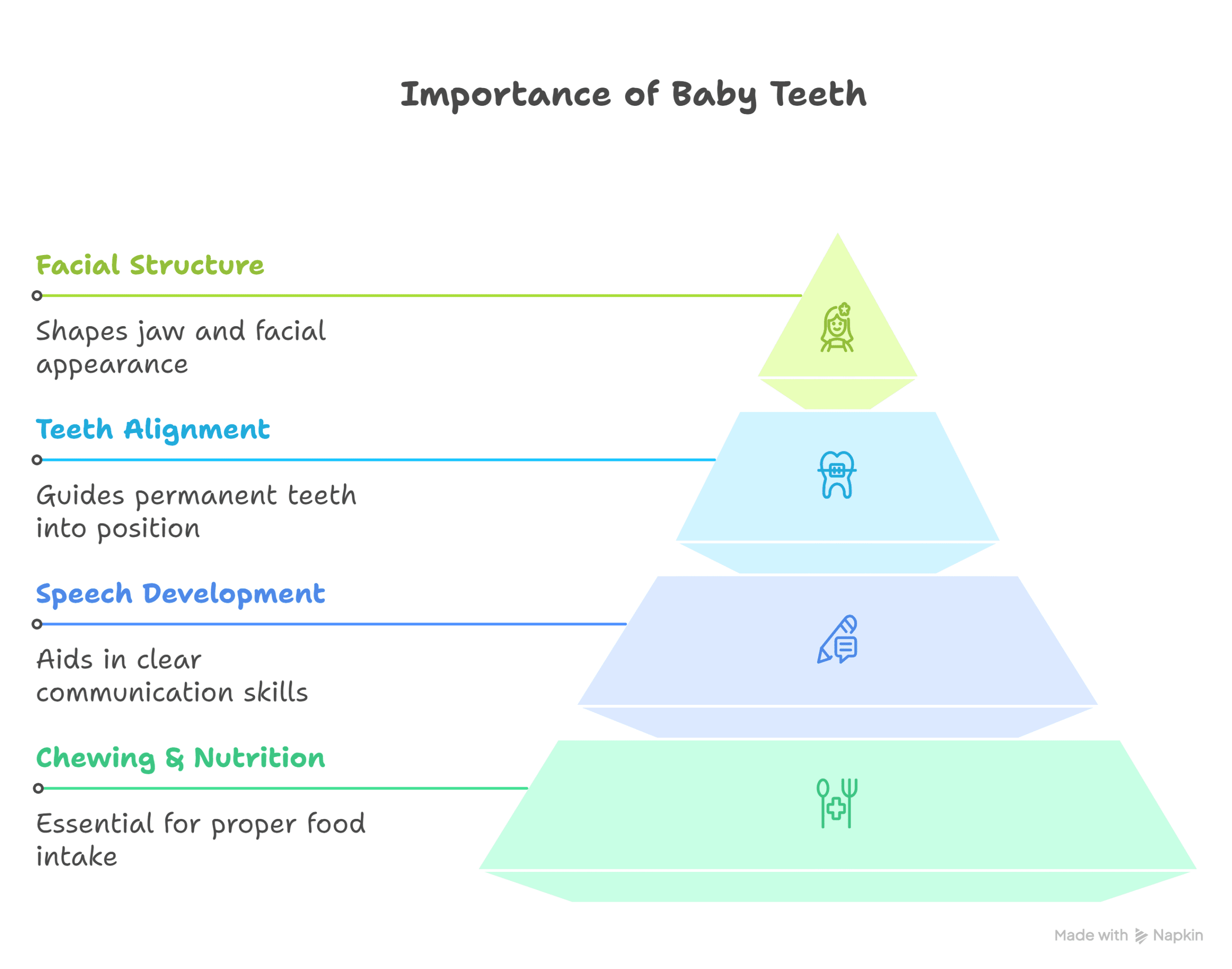
They’re essential for:
Proper chewing and nutrition
Clear speech development
Guiding adult teeth into correct alignment
Shaping your child’s jaw and facial structure
According to the American Academy of Pediatric Dentistry (AAPD), decay in baby teeth can cause pain, infection, and even affect a child’s growth and learning due to poor nutrition and disturbed sleep.
Clinic Insight: At RHT Clinic, we’ve treated children as young as 3 years old with severe cavities caused by night feeding and sugary snacks — all preventable with early awareness.
The Real Lifespan of Milk Teeth: Longer Than You Think
Most parents assume milk teeth disappear by kindergarten, but that’s not true.
The front incisors fall around 6–7 years,
The molars stay till 12–13 years.
That’s nearly a decade of chewing, smiling, and growing! Keeping them healthy ensures your child can eat well, speak clearly, and develop a confident smile.
Hidden Superpowers of Baby Teeth
Baby teeth do far more than chew food — they are your child’s mouth architects.
They act as space holders for permanent teeth.
They guide jaw development and strengthen muscles.
They help your child smile and speak confidently.
When a baby tooth is lost early, the adjacent teeth drift into its place — creating crowding, bite issues, or crooked adult teeth.
At RHT Clinic, we sometimes use space maintainers to keep that spot open until the permanent tooth erupts.
Section 1: Why Primary Teeth Matter More Than You Think
Think of your child’s primary teeth as the framework of a growing house.
Without strong foundations, the upper structure (adult teeth) can’t develop right.
Supporting Jaw and Facial Growth
Every chew strengthens facial muscles, promoting balanced jaw growth. Premature tooth loss can lead to uneven development and bite problems later.
Natural Guides for Permanent Teeth
According to the American Dental Association (ADA), early loss of primary teeth increases the chance of crowding and misalignment. Keeping them healthy ensures adult teeth erupt in perfect harmony.
Section 2: Nutrition — The First Line of Defense for Tiny Teeth
Healthy teeth begin with healthy eating habits.
What your child eats — and how often — shapes their dental future.
The Sweet Trap: Delay Sugar Exposure
The AAPD recommends minimizing added sugar during early years.
At RHT Clinic, we suggest avoiding sugary foods and drinks until after age 3. Early exposure trains taste buds to crave sweets, increasing the risk of cavities.
Hidden Sugars: Watch the Sneaky Culprits
Cereal, packaged juices, biscuits, and flavored milk often hide sugar that sticks to teeth and feeds bacteria.
Swap Smart:
Oats with banana or apple
Roasted makhana or nuts
Homemade idlis or corn snacks
These fuel growing kids — not cavity-causing bacteria!
Section 3: Brushing Basics — When and How to Start
Brushing is not a milestone — it’s a habit that starts early.
Begin cleaning your child’s teeth as soon as the first tooth appears, typically between 8–10 months.
Step-by-Step Routine
Use a soft baby toothbrush and plain water initially.
After age 2, use a toothpaste with 1000 ppm fluoride (check with your dentist).
Brush twice daily, especially before bedtime.
At RHT Clinic, we guide parents through proper brushing techniques — ensuring kids learn the right way from the start.
Brush Together, Stay Consistent
Make brushing a family affair! When parents brush alongside kids, it becomes fun and consistent.
Section 4: Brushing Techniques That Actually Work
The Knee-to-Knee Method (For Infants)
Sit facing your partner, knees touching, and let your child’s head rest in your lap. This keeps them calm while you brush thoroughly.
For Older Kids
Stand behind your child at the sink, tilt their head gently against your chest, and help them brush in small circular motions.
The Six-Zone Rule
Divide the mouth into six parts:
Top-front, bottom-front, top-right, top-left, bottom-right, bottom-left.
Spend 20 seconds on each — cleaning inside, outside, and chewing surfaces.
Section 5: Toothpaste, Fluoride & Night Brushing
Fluoride Facts
Fluoride strengthens enamel and prevents decay — when used correctly.
ADA Recommendations:
Under 2 years: Fluoride-free paste
2–3 years: Rice-sized amount of 1000 ppm fluoride toothpaste
4–6 years: Pea-sized amount
6+ years: Thin ribbon
Clinic Tip: Always supervise brushing to ensure your child spits out excess toothpaste.
Night Brushing Is the Real Hero
Nighttime brushing is more important than the morning routine.
During sleep, saliva flow reduces, letting bacteria thrive.
A clean mouth before bed prevents overnight acid attacks and cavities.
Section 6: First Dental Visit — Early, Gentle & Empowering
The “First Tooth or First Birthday” Rule
The AAPD and ADA recommend a child’s first dental visit by age one or within six months of the first tooth erupting.
At RHT Clinic, we make these visits playful — introducing your child to the dental chair with cartoons, gentle care, and parent participation.
Feeding & Bottle Weaning Tips
Prolonged night feeding can lead to “baby bottle tooth decay.”
Switch to a cup by age one, and avoid bottles or juices at bedtime.
Routine Check-Ups Every Six Months
Regular dental visits allow preventive care like:
Fluoride varnish for new teeth
Sealants for molars
Monitoring jaw growth and bite patterns
Early prevention saves discomfort — and future orthodontic costs.
Conclusion: Your Role in Building Lifelong Healthy Smiles
Parenting is full of firsts — first steps, first words, first teeth.
The habits you build today shape your child’s future smile.
Quick Recap
- Limit sugar — especially hidden sources
- Brush twice daily (nighttime is crucial)
- Use fluoride appropriately
- Visit your pediatric dentist every six months
- Stay calm — your confidence helps your child feel safe at the clinic
At RHT Clinic, we believe in preventive, compassionate care.
We’re here to help your child grow up with a bright, confident, cavity-free smile.
Book your child’s first dental visit today — and let’s make healthy smiles a lifelong habit!
Leave a Reply